The Future of Compression Molding Services in a Rapidly Changing Market
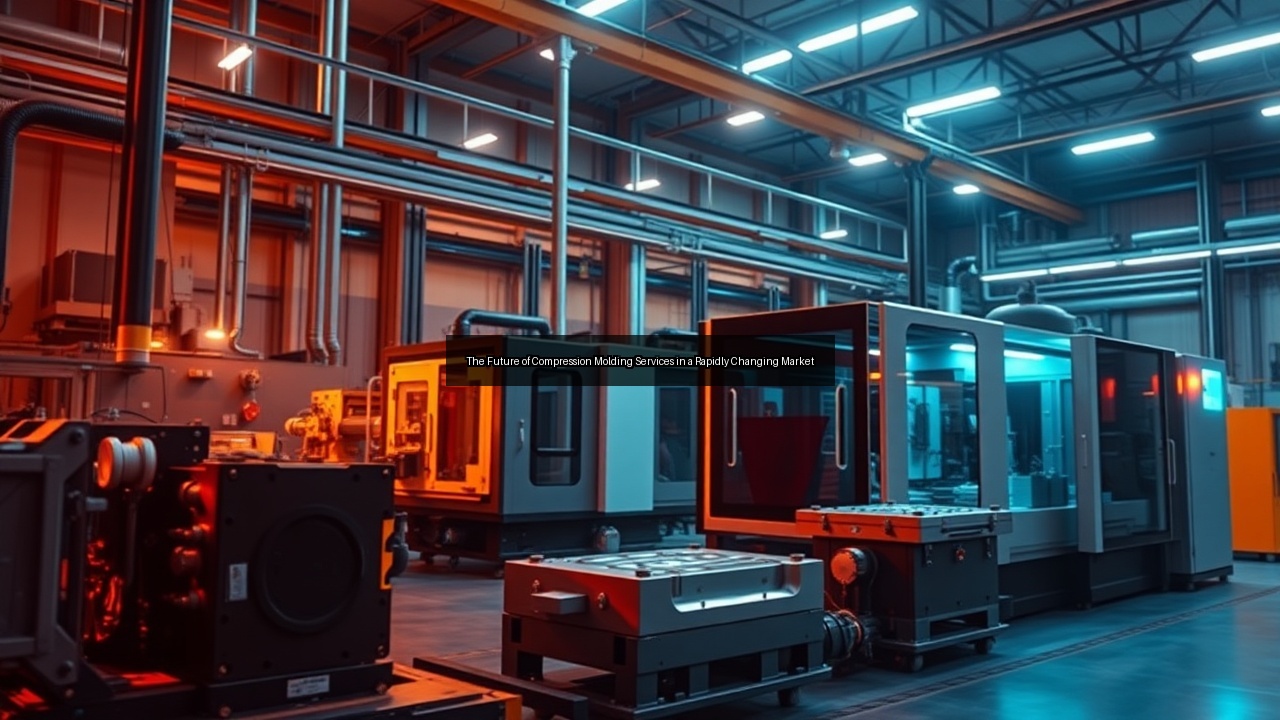
Understanding Compression Molding Services
The Basics of the Compression Molding Process
Compression molding services revolve around a fundamental manufacturing technique that shapes materials using heat and pressure. This process begins with placing a pre-measured amount of material, typically in a solid or semi-solid state, into an open mold. Once the mold closes, the material undergoes heating, which causes it to flow and fill the mold cavity, taking on the desired shape. After sufficient curing time, the mold opens, and the finished compression molded part is removed. This method is particularly effective for thermosetting plastics, but it can also accommodate elastomers and some thermoplastics.
Key Benefits of Compression Molding
Compression molding offers numerous advantages, making it a preferred choice in various manufacturing sectors. One major benefit is cost-effectiveness; the process requires less energy compared to methods like injection molding, especially for large parts. Additionally, compression molded parts exhibit excellent dimensional stability and surface finish, which increases their aesthetic appeal and functionality. The versatility of this process allows for the creation of complex shapes and sizes, catering to diverse applications. Furthermore, waste is minimized, as excess material can often be reused in subsequent batches. This efficiency enhances the sustainability of compression molding services.
Comparison with Plastic Injection Molding
While both compression molding and plastic injection molding serve the same overarching purpose of shaping materials, they differ significantly in their methodologies and applications. Injection molding involves injecting molten plastic into a mold under high pressure, which allows for rapid production of intricate designs. In contrast, compression molding uses heat and pressure to shape materials, making it more suitable for larger, less intricate parts. Compression molding generally involves longer cycle times but provides compression molding applications superior material integrity and reduced waste. Manufacturers often choose between these processes based on factors like production volume, part complexity, and material type.
Innovations Shaping the Future of Compression Molding
Emerging Technologies in Compression Molding Machines
The landscape of compression molding services evolves rapidly, driven by advancements in machine technology. Modern compression molding machines incorporate features like advanced temperature control systems, which ensure consistent heating across the mold. Innovations such as servo-driven systems enhance precision and reduce cycle times, making production more efficient. Additionally, the integration of smart technologies allows for real-time monitoring of the molding process, enabling manufacturers to optimize operations and predict maintenance needs. These emerging technologies not only improve productivity but also elevate the quality of compression molded parts, ensuring they meet stringent industry standards.
Advancements in Mold Design and Materials
Innovations in mold design and material selection play a pivotal role in advancing compression molding services. Today's molds utilize advanced materials like aluminum and hardened steel, which offer durability and excellent thermal conductivity. These improvements enhance the overall efficiency of the compression molding process, leading to faster production cycles and superior part quality. Furthermore, 3D printing technology revolutionizes mold design, allowing for rapid prototyping and customization. Manufacturers can now create molds that accommodate complex geometries and intricate designs, fulfilling the evolving demands of various industries. This adaptability positions compression molding at the forefront of manufacturing innovation.
The Role of Automation in Compression Molding Processes
Automation is transforming compression molding processes by introducing robotics and automated systems that streamline production. Automated loading and unloading systems reduce manual labor and minimize human error, leading to more consistent quality in compression molded products. Robotics facilitate the handling of heavy molds and materials, enhancing workplace safety. Moreover, automated quality control systems analyze each part for defects in real time, ensuring adherence to specifications. As automation technology continues to advance, it will further enhance operational efficiency, reduce costs, and enable manufacturers to meet increasing market demands with precision and speed.
Market Trends and Applications of Compression Molding
Growing Industries Utilizing Compression Molding Services
Compression molding services find applications across a variety of industries, driven by their unique advantages. The automotive sector increasingly relies on this process for producing durable components like bumpers, dashboard panels, and seals. Aerospace manufacturers also utilize compression molding for lightweight and strong parts, crucial for enhancing fuel efficiency. Additionally, the electrical and electronics industries benefit from compression molded components that provide insulation and protection for sensitive parts. Healthcare and consumer goods sectors leverage compression molding for producing high-quality and reliable products. The versatility of this manufacturing process positions it as a key player in the future of various industries.
Customization and Design Specifications for Modern Applications
The demand for customization in manufacturing fuels innovation in compression molding services. Today's manufacturers prioritize design flexibility, enabling them to create parts tailored to specific applications and customer requirements. This trend towards customization results in more efficient production processes and higher customer satisfaction. Compression molding allows for the incorporation of inserts, color blending, and varying material properties, making it possible to meet unique design specifications. As companies continue to seek ways to differentiate their products, the ability to customize compression molded components becomes increasingly valuable, driving further growth in this sector.
Sustainability in Compression Molding Production
Sustainability is a growing concern in manufacturing, and compression molding services are no exception. The industry increasingly focuses on minimizing waste and using eco-friendly materials. Compression molding processes inherently produce less scrap compared to other manufacturing methods, such as plastic injection molding. Moreover, advancements in biodegradable materials and recycled plastics enhance the environmental profile of compression molded products. Companies are also exploring ways to reduce energy consumption during the molding process, further contributing to sustainable practices. Embracing these initiatives not only meets regulatory requirements but also aligns with consumer preferences for environmentally friendly products.
Choosing the Right Compression Molding Company
Evaluating Reliability and Quality of Compression Molding Suppliers
Selecting a reliable compression molding company is crucial for ensuring high-quality production. Manufacturers must evaluate potential suppliers based on their track record and reputation in the industry. Quality certifications, such as ISO, serve as indicators of a company's commitment to maintaining high standards. Assessing customer reviews and case studies can provide valuable insights into a supplier's reliability and capability to meet specific requirements. Additionally, visiting the supplier's facility and observing their processes can help gauge their manufacturing capabilities and quality control measures, ensuring that they align with your project's needs.
Factors to Consider When Selecting Compression Molding Services
When choosing compression molding services, several factors come into play. First, consider the company’s experience and expertise in your specific industry. A supplier with a robust portfolio in producing similar parts will better understand your unique requirements. Evaluate their technological capabilities, including advanced machinery and automation, which can impact the quality and efficiency of production. Communication is also vital; a responsive supplier fosters collaboration and ensures alignment throughout the project. Lastly, analyze pricing structures and lead times to ensure they meet your budget and timeline, striking the right balance between cost and quality.
The Importance of Specifications and Pressure Control in Molding
Specifications play a critical role in the compression molding process, influencing everything from material selection to the final product's performance. Precise specifications ensure that the right materials are used, and the molds are designed to meet the desired outcomes. Pressure control is equally essential; improper pressure can lead to defects such as incomplete filling or warping of the molded parts. Advanced compression molding machines incorporate sophisticated pressure control systems to maintain optimal conditions throughout the process. By emphasizing the importance of accurate specifications and pressure management, manufacturers can achieve consistent quality and reliability in their compression molded products.
See Also
- The Future of Manufacturing Exploring Advanced Compression Molding Processes
- Exploring the Versatility of Compression Molded Products in Various Industries
- How to Optimize Your Compression Molding Process for Better Results
- The Role of Pressure in Achieving Perfect Compression Molded Parts
- Key Factors to Consider When Selecting Compression Molding Suppliers